Revision ACL Reconstruction Surgery In Delhi
Failed ACL surgery can be really upsetting for someone who loves to stay active. You might have thought that the surgery would help you feel more stable and allow you to return to your favorite activities. Yet sometimes, even after improvement, symptoms come back or continue to exist. Understanding why this happens, how doctors evaluate the knee, and what treatment options exist is an important step toward proper recovery.
What Is the ACL and Why Is It Important?
The anterior cruciate ligament (ACL) is a strong piece of tissue inside the knee that helps keep the shinbone and thighbone in the right place when you move, jump, or turn. When it tears, many people experience immediate instability, swelling, and difficulty walking. Surgery is usually suggested for people who want to return to playing sports or are still having problems with their knees feeling unstable. Even with modern techniques and highly trained surgeons, not all procedures lead to the desired outcome. In some cases, symptoms return, or new issues develop that require further attention.
Signs That Something Isn’t Right
After you’ve gone through the first phase of your healing — which usually takes weeks to a few months — most people start to see slow but steady progress. However, if you begin to experience:
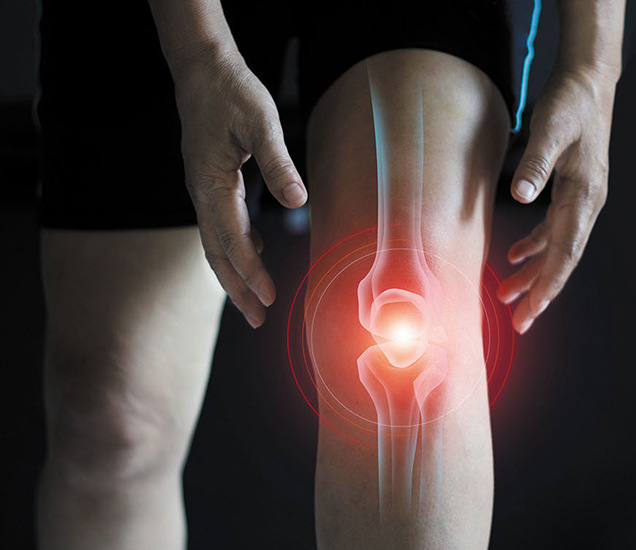
It might mean that the first fix didn’t function the way it was intended to. These symptoms can do more than just bother you—they can really affect your self-esteem and your ability to stay active. That’s why it’s really important to figure out what could be causing it and what steps to take next.
Common Causes for Recurrence
When a knee continues to behave as if the ligament is not intact, doctors explore several possibilities. These often include:
Technical Factors
If the original graft wasn’t placed in the best position, it might not fix the normal movement of the knee. Small differences in how the tunnels are made or how the graft is attached can influence the outcome over time.
Biological Healing Issues
Sometimes the body doesn’t completely accept the graft. This could occur because of problems with blood flow, how the body fights infection, or other challenges during the healing process.
New Injury
A repeat injury may occur if the knee twists, falls, or moves suddenly, especially if it’s put under stress too soon after the first surgery.
Graft Failure
In some cases, the tissue used to replace the original ligament can stretch or tear, causing the instability to come back. This situation is usually called an ACL Retear when the problem happens because of a new injury to the graft. Finding out what went wrong often needs a mix of checking the body, using pictures of the inside, and sometimes looking at the records from the first operation.
How Specialists Evaluate a Problem Knee
If symptoms persist or return, your doctor will start with a careful assessment. This typically includes:
Medical History
Your surgeon will ask about your symptoms, when they started, and what you were doing when they first happened.
Physical Examination
This includes certain tests designed to assess the stability and function of the knee.
Imaging Studies
X-rays can show the position of tunnels and hardware from the first surgery. MRI scans allow doctors to see soft tissues, like the graft and the areas around it, clearly. Sometimes, special scans or even a diagnostic arthroscopy, which is a way to look inside the knee with small tools, might be needed to get a complete picture. Each piece of information helps your doctor decide what is causing the ongoing symptoms and whether surgical intervention is advisable.
What Is Revision ACL Reconstruction?
When instability or pain is clearly linked to the graft not functioning as intended, a second surgery might be suggested. This is known as Revision ACL Reconstruction.
This operation is more complex than a first-time repair for several reasons:
Revision surgery is highly personalized. Your surgeon will plan it carefully, taking into account your body structure, activity goals, and the issues that happened during your first surgery.